Drums And Percussion
Read MoreRead Less
Plan Care, Spares And How Long It Should Last
A choice in drums and percussion is easier to live with if you know how it is cleaned, stored and maintained when you practice, record or play at home. Ask what is a consumable, what needs occasional attention and what is awkward to replace. When a guide mentions drum kits and percussion or cowbell, look for what those items need over a season of ordinary use, not only on day one.
Keep the maker’s care notes beside your real routine. If you will not follow a fussy process, prefer a simpler construction when you have time to set it up carefully. How long something lasts is not a single figure on a page; it is the mix of build, use and the care you will actually give it. When you look at drum kits and percussion, jot a short drums and percussion note on Music Gear Deals 4U.
Weigh Comfort, Noise And How It Feels In Use
Comfort is easy to skip in a photo and hard to ignore later in everyday use. Handles, seating, straps, light quality, grip, heat and noise all show up once the item is in daily use. Compare how cajon and cymbals feel on the points you will notice after half an hour, not only at first glance.
Adjustability can close a gap that a fixed size cannot, when you are in a hurry. Look for parts you can set once and leave, and be careful of adjustments that slip or need two hands mid-task. A useful guide in this category will say which comfort features actually change the experience. If you compare cajon next, add a drums and percussion line to your notes on Music Gear Deals 4U.
Match The Option To Your Skill And The Time You Have
Some setups in drums and percussion are simple to unpack and use; others need assembly, practice or regular tuning. Be honest about the time you will give it in your own setting. If a guide describes congas as easier for a first-time buyer, read what “simple” actually involves rather than taking the label at face value.
Skill also includes everyone else in the household. A clever mechanism is a poor choice if only one person can operate it confidently if it will stay in one place. Prefer clear controls and an obvious place for loose parts, so the setup still makes sense on a busy day. For congas in particular, record this drums and percussion check on Music Gear Deals 4U.
Decide What Job Drums And Percussion Should Do
Begin with the job you need drums and percussion to do in regular use, not with a familiar product photo. A note about that job makes it easier to judge whether cowbell or shaker actually helps, or whether you are only looking at a similar shape. Write the place, the frequency and who will use it before you open a longer list of types.
If two options look alike, ask which one covers the task you wrote down on a longer job. A guide in this category should explain the main types, the features that change the result and the checks that stop a poor fit. Leave current offers to the retailer listing; the useful work here is understanding differences you can see and measure. Music Gear Deals 4U gathers those checks in one place before you compare options.
Use A Short Checklist Before You Choose
A short written checklist keeps a drums and percussion comparison honest if you pack it away often. Include the job, the size limits, the must-have features, any extras you would need and the care you are willing to do. Tick those points against cymbals and tambourine in turn so each option is judged on the same ground.
Leave room on the list for open questions, such as spare parts, return terms and how you will inspect the item when it arrives. The retailer listing is where current details belong; the checklist is there so you know what to look for when you reach that page in regular daily use. As you shortlist cowbell, park this drums and percussion reminder on Music Gear Deals 4U.
Look Closely At Materials And Build
Materials change how drums and percussion holds up on a typical day. A shell, frame, fabric, blade or coating that is fine for light indoor use may not suit damp, heat, dust, salt air or frequent packing. Separate what is structural from what is only a finish, and notice wearing parts you may have to replace later.
Stitching, welds, fasteners, hinges and moving parts deserve as much attention as the headline material. When a guide places djembe beside cymbal stand, read them as different constructions and note what each one is good for. Skip claims that are not tied to a part you can inspect in a small space.
Keep Safety And Sensible Limits In View
Read the limits that actually apply to your setting: weight, heat, water, sharpness, moving parts, eye and ear protection, or how the item is secured in transit. Shaker is only a good fit if those limits match how you will use it around the house.
If a listing is thin on those details, keep the question on your checklist and confirm it before you decide. The guides in this category highlight the checks that come up most often, so you are not left guessing which warning actually matters when you are in a hurry. Before you decide on cymbals, copy this drums and percussion check into your Music Gear Deals 4U notes.
Understand Power, Fuel Or Manual Effort
If the item needs power, fuel or serious manual effort, put that on the first page of your notes. Battery platforms, cable length, charging space, fuel type and starting effort all affect whether tambourine is practical at home in regular daily use. Compare those needs with what you already have on hand.
A manual option can be the calmer choice when the job is light or occasional. A powered option saves time on bigger or repeated work, but it adds charging, storage and safety steps. A guide in this category should help you see that trade clearly, without treating one approach as the default for everyone. While you weigh djembe, keep a drums and percussion reminder in your Music Gear Deals 4U list.
Popular Options To Compare
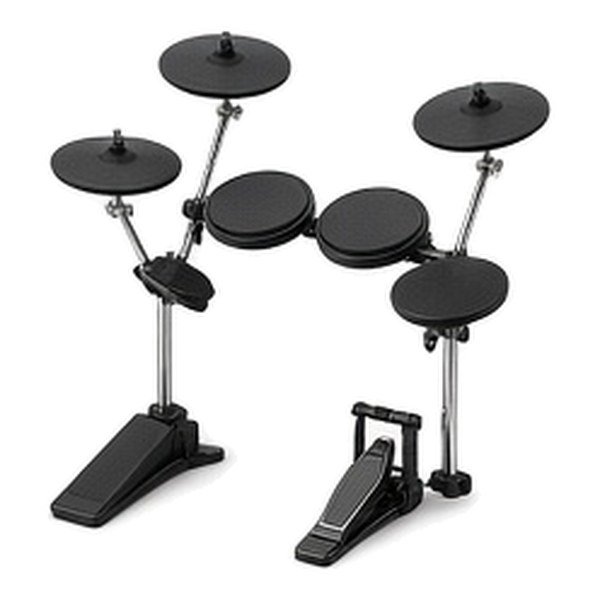
Rubber Pad Drum Kits
COMPARE OPTIONS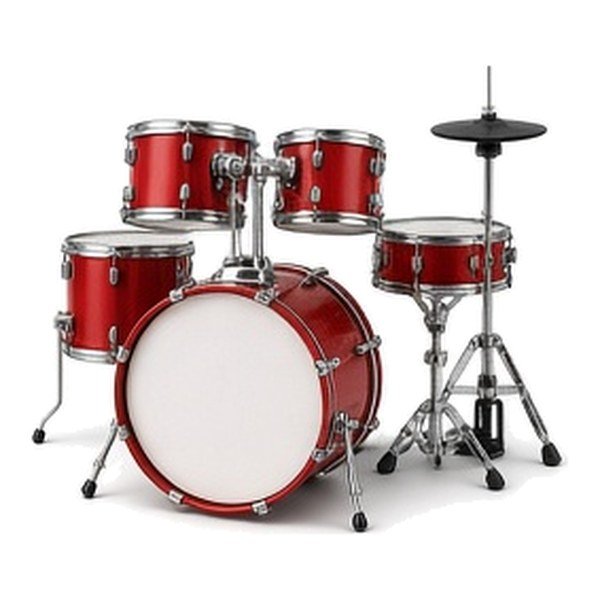
Junior Drum Kits
COMPARE OPTIONS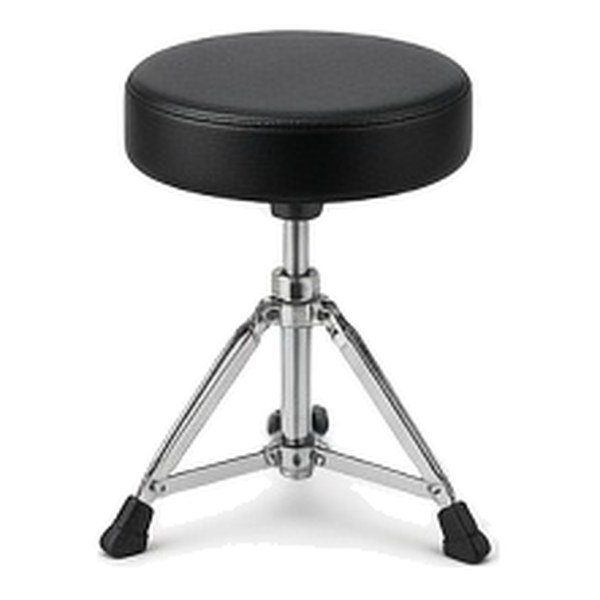
Drum Thrones
COMPARE OPTIONS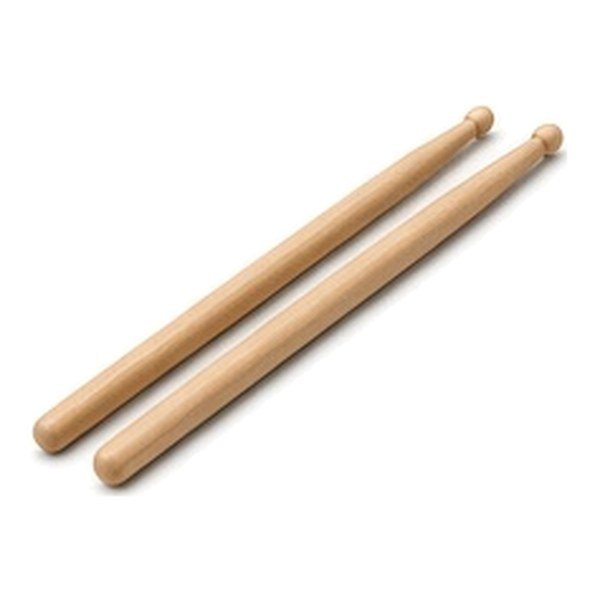
Drum Sticks
COMPARE OPTIONS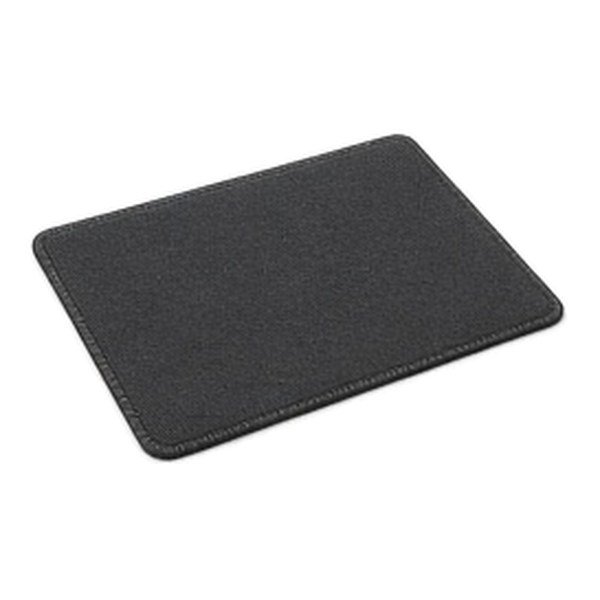
Drum Rug Mats
COMPARE OPTIONS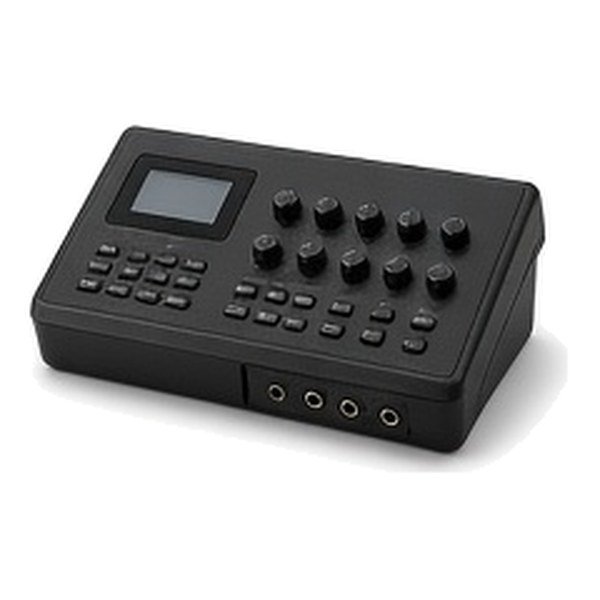
Electronic Drum Modules
COMPARE OPTIONS
Desktop Audio Interfaces
COMPARE OPTIONS
Over Ear Headphones
COMPARE OPTIONS